Exploring the Bedouin and MAAZA Culture in the Red Sea

The Red Sea, with its stunning landscapes and rich marine life, is not just a paradise for divers and beach lovers; it is also home to the Bedouin people, whose vibrant culture and traditions have flourished for centuries in this unique environment. This blog delves into the fascinating history, cultural practices, and interesting facts about the Bedouin and MAAZA culture in the Red Sea region.
The Bedouin People: A Brief History
The Bedouins are a group of nomadic Arab tribes who have traditionally inhabited the deserts of the Arabian Peninsula, including regions around the Red Sea. Their history dates back thousands of years, with roots in ancient Arabian culture. The word "Bedouin" comes from the Arabic term "badawi," meaning "desert dweller."
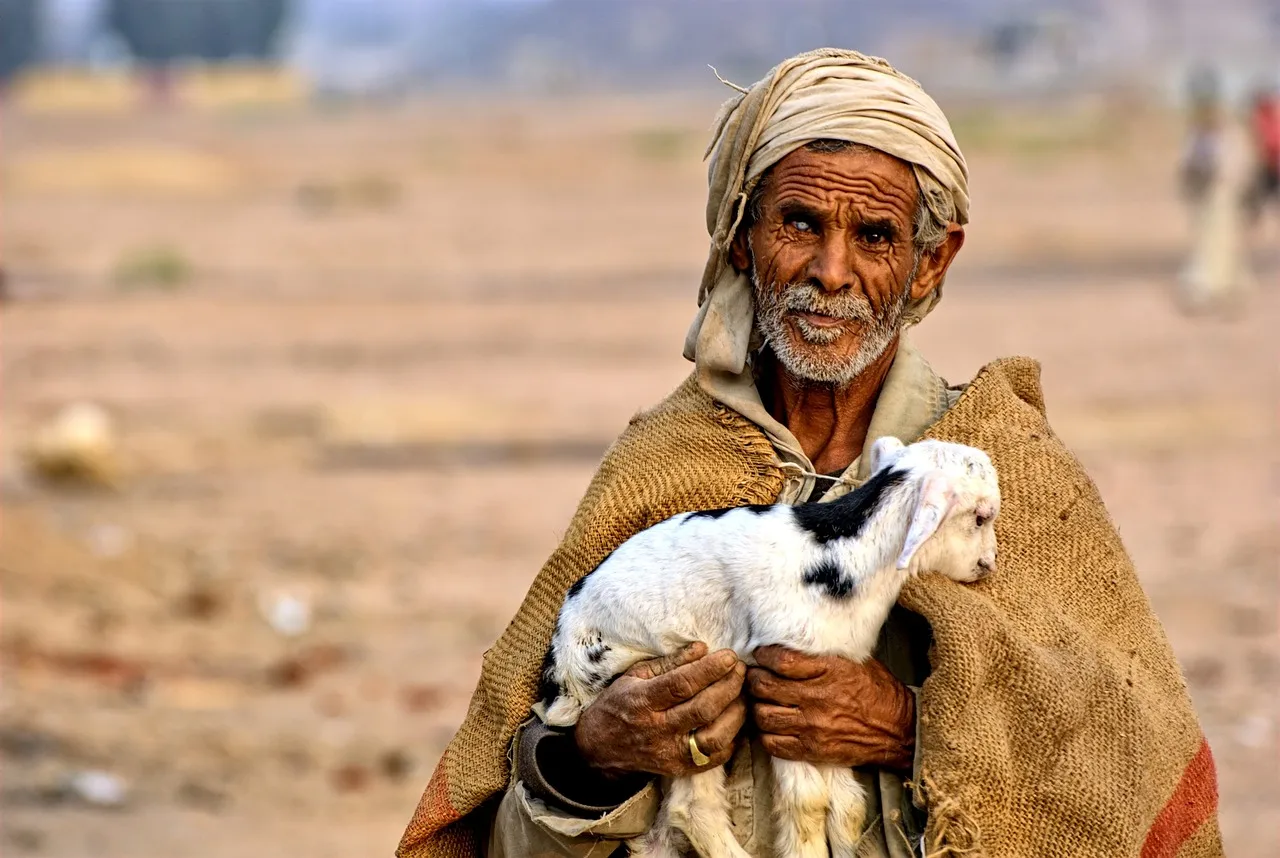
Historically, Bedouins have been known for their expert survival skills in harsh desert environments. They relied on herding livestock, such as camels and goats, and practiced seasonal migration to find grazing pastures. This nomadic lifestyle has shaped their culture, traditions, and social structures.
The Bedouin Way of Life
Bedouin life is characterized by a strong sense of community, where family ties and kinship are paramount. Tribal affiliations play a significant role in social organization, with extended families often living together in tents made from goat hair or camel skin. These tents are designed to be portable, reflecting the Bedouins' nomadic heritage and their adaptability to changing environments.
1. Social Structure: The Bedouin society is organized into tribes, each led by a sheikh. Decisions are often made collectively, reflecting a deep respect for tradition and communal values. Elders are held in high regard and serve as custodians of knowledge and customs, passing down stories and teachings to younger generations.
2. Hospitality: Bedouins are renowned for their hospitality. When visitors arrive, they are welcomed with coffee and dates—a symbol of friendship and goodwill. This warm reception reflects the cultural significance of hospitality in Bedouin life, where offering food and shelter is seen as a duty and a privilege.
Cultural Practices and Traditions
The Bedouin way of life is characterized by strong family ties and a deep connection to nature. Their traditions and customs are a reflection of their environment, emphasizing resilience and resourcefulness.
Cuisine: Bedouin cuisine is rich in flavors and deeply rooted in the availability of local ingredients. Traditional dishes vary by region but often include:
- Mandi: A fragrant rice dish cooked with spices and served with meat, usually chicken or lamb. The slow-cooked meat is tender and flavorful, making it a favorite during gatherings and celebrations.
- Zarb: A unique dish prepared by burying marinated meat and vegetables in a sand oven. The heat of the sand cooks the food slowly, infusing it with distinct flavors. This traditional method showcases the Bedouins' ingenuity in using natural resources for cooking.
- Flatbreads: Bread is a staple in Bedouin cuisine. It's often made using simple ingredients like flour, water, and salt, and baked in the hot sands or on a stone oven. Freshly baked bread is a common feature during meals, symbolizing sustenance and comfort.
Music and Dance: Music and dance are integral to Bedouin culture, serving as expressions of identity and communal celebration. Traditional instruments such as the rebab (a string instrument) and the darabukkah (a drum) accompany folk dances during celebrations and gatherings. Dances often involve rhythmic movements and are performed by both men and women, creating a lively and inclusive atmosphere.
Handicrafts: Bedouins are skilled artisans, creating beautiful handicrafts that showcase their cultural identity. Items such as intricately woven rugs, embroidered textiles, and hand-crafted jewelry are not only functional but also serve as expressions of artistry and storytelling.
- Weaving: Bedouin women are known for their weaving skills, producing beautiful carpets and tent coverings. The patterns and colors used often have symbolic meanings and reflect the wearer's tribal identity.
- Embroidery: Traditional Bedouin clothing is often adorned with intricate embroidery, featuring geometric designs and vibrant colors. Each piece is unique and tells a story about the wearer’s heritage and community.
The MAAZA Celebration: A Cultural Festivity
MAAZA is a traditional celebration among Bedouin communities, often held to mark special occasions such as weddings, harvests, or significant life events. The festivities are characterized by communal gatherings, music, dance, and, of course, abundant food.
1. Community Gatherings: MAAZA celebrations bring together families and friends from the surrounding areas. The spirit of unity and joy is palpable as communities come together to celebrate their shared heritage. This sense of belonging fosters strong bonds within the community, reinforcing the values of support and cooperation.
2. Traditional Rituals: During MAAZA, various traditional rituals may be performed. These can include storytelling sessions led by elders, where tales of ancestors and cultural legends are shared. This practice not only entertains but also serves to educate younger generations about their history and identity.
3. Culinary Feasts: The MAAZA celebration is renowned for its feasting. Dishes are prepared in large quantities, reflecting the communal nature of the event. Families contribute to the feast, showcasing their culinary skills and sharing their favorite recipes. This communal meal reinforces the idea of sharing and generosity that is central to Bedouin culture.
4. Music and Dance: Music is a key element of MAAZA celebrations, with traditional songs performed throughout the festivities. Dancers dressed in colorful attire perform lively dances, encouraging participation from everyone present. The celebration is not just a passive experience; it invites active involvement, making it a joyous occasion for all ages.
Fascinating Facts About Bedouin and MAAZA Culture
- Nomadic Lifestyle: While many Bedouins have settled in permanent homes due to modernization, some still maintain their traditional nomadic lifestyle, moving with the seasons and the needs of their livestock. This adaptability reflects their resilience and ability to thrive in changing circumstances.
- Camels as Companions: Camels, often referred to as the "ships of the desert," are central to Bedouin life. They provide transportation, milk, and meat and are integral to Bedouin culture, featuring in stories, songs, and folklore. The bond between Bedouins and their camels is profound, symbolizing endurance and companionship.
- Natural Remedies: The Bedouins possess extensive knowledge of local herbs and plants, often using them for medicinal purposes. This herbal wisdom has been passed down through generations and reflects their deep connection to the land. Common plants used for remedies include thyme, sage, and various wildflowers, each with its own healing properties.
- Language and Oral Tradition: The Bedouin dialect is distinct from standard Arabic and is often rich in poetic expressions. Oral storytelling is a vital part of their culture, with tales that convey morals, history, and wisdom. This practice not only preserves their language but also strengthens cultural identity.
- Dress and Identity: Traditional Bedouin attire varies by region but often includes loose-fitting garments made from natural fibers, designed for comfort and practicality in the desert climate. Women’s clothing is often richly embroidered, showcasing cultural symbols and personal stories. The colors and patterns used in their clothing can indicate tribal affiliation and social status.