Aromatic Herbs in Bedouin History, Culture, and Hospitality

The Bedouin people, with their rich heritage and deep connection to the desert, have relied on nature for sustenance, medicine, and cultural practices for centuries. Among their most treasured resources are aromatic herbs, which play a significant role in their daily lives, culinary traditions, and hospitality rituals. This blog explores the importance of aromatic herbs in Bedouin history and culture, highlighting their various uses and the stories they carry.
The Significance of Aromatic Herbs in Bedouin Life
Aromatic herbs have been integral to Bedouin life for generations. These plants are not only valued for their flavors and fragrances but also for their medicinal properties and cultural significance. Many of these herbs grow abundantly in the arid landscapes of the desert, making them readily accessible to the Bedouins.
1. Traditional Uses: Bedouins have long utilized aromatic herbs in their cooking, medicine, and rituals. Commonly used herbs include:
-
Thyme (Za'atar): A staple in Bedouin cuisine, thyme is often mixed with sumac, sesame seeds, and salt to create a flavorful spice blend. It is used in various dishes, from grilled meats to salads and flatbreads. Thyme is also believed to have antiseptic and anti-inflammatory properties, making it a common choice for remedies.
-
Sage (Maramiyah): Known for its distinctive aroma, sage is often used in Bedouin cooking to flavor meat dishes. Additionally, it has medicinal properties and is used to treat digestive issues and respiratory ailments. The leaves are sometimes brewed into a tea consumed for its health benefits, providing a soothing experience for those suffering from colds or stomach discomfort.
-
Mint (Na'na): Widely used in Bedouin households, mint is a common ingredient in beverages, salads, and meat dishes. Its refreshing flavor makes it a favorite in tea, especially when served with sugar and lemon. Mint is also associated with hospitality and is often offered to guests as a symbol of welcome. This ritual reflects the importance of sharing and generosity in Bedouin culture.
-
Rosemary (Ishm): This fragrant herb is not only used in cooking but also in traditional medicine. Bedouins have utilized rosemary for its potential benefits in improving memory, relieving headaches, and enhancing overall cognitive function. It is also believed to have antimicrobial properties, making it valuable for maintaining health.
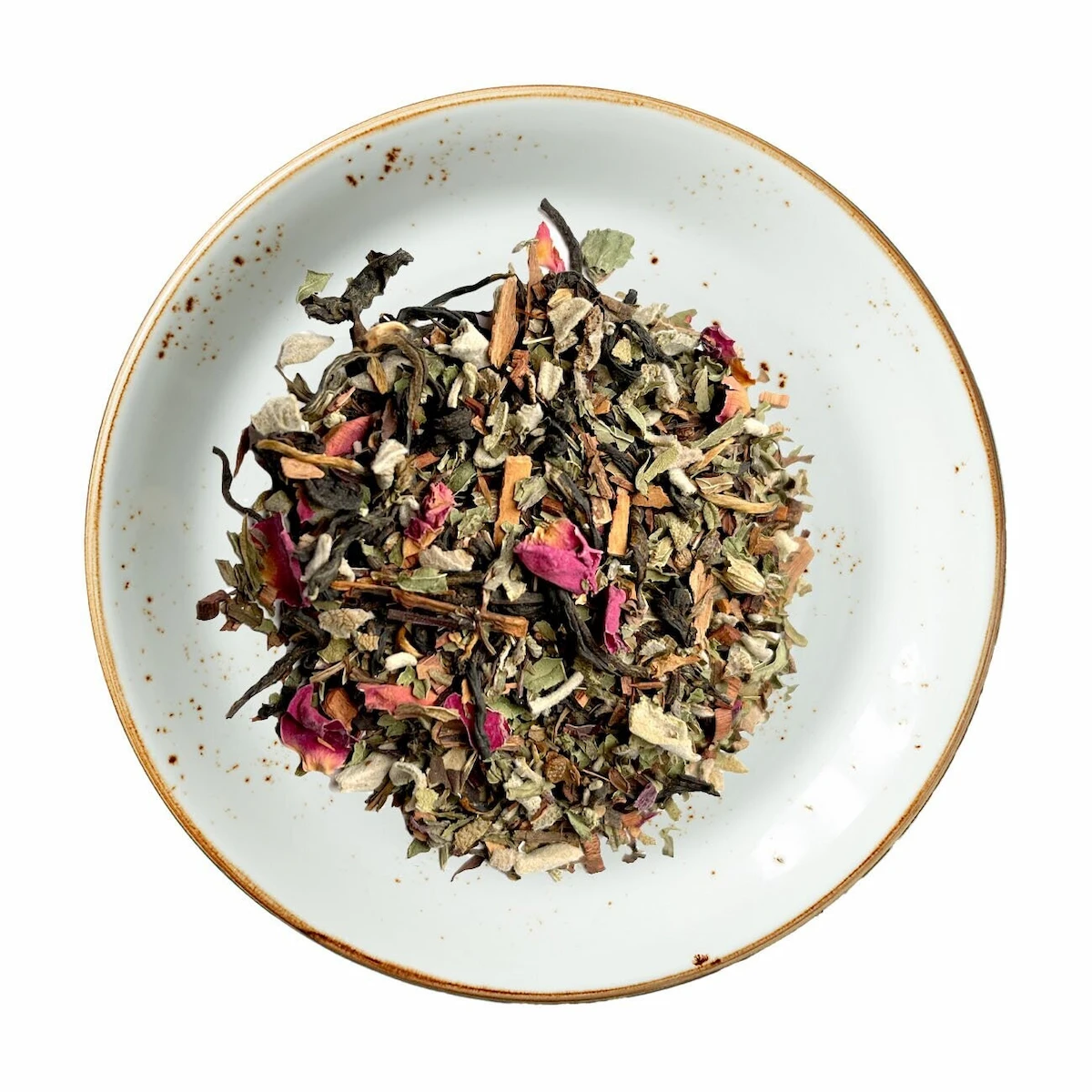
Aromatic Herbs in Bedouin cuisine
The use of aromatic herbs in Bedouin cuisine reflects the region's rich agricultural traditions and the Bedouins' deep-rooted connection to the land. The flavors and fragrances of these herbs enhance the taste of their dishes, making them not only enjoyable but also a source of nourishment.
1. Traditional Dishes: Bedouin cooking emphasizes simple yet flavorful ingredients, with aromatic herbs playing a key role. Some popular dishes include:
- Mandi: This iconic dish, often made with rice and meat, is flavored with a variety of spices, including thyme and sage. The slow-cooked meat is tender and aromatic, creating a fragrant meal that is a staple at gatherings and celebrations. The preparation of Mandi often involves marinating the meat in a blend of herbs and spices, which enhances the overall flavor profile and brings depth to the dish.
- Grilled Meats: Bedouins often marinate meats in a mixture of herbs and spices before grilling them over an open fire. The infusion of aromatic herbs enhances the flavor of the meat, creating a delicious and savory dish that is often shared among family and friends. Grilling over an open flame also imparts a smoky flavor that complements the natural aromas of the herbs.
- Herb-Infused Bread: Flatbreads are commonly baked with the addition of aromatic herbs like thyme or rosemary, imparting a unique flavor and fragrance that complements the meal. This practice not only enhances the taste of the bread but also adds nutritional value, as many herbs are rich in vitamins and minerals.
2. Hospitality and Rituals: In Bedouin culture, food is a vital aspect of hospitality. Guests are often welcomed with a spread of traditional dishes infused with aromatic herbs, reflecting the host's generosity and warmth. The act of sharing food is deeply rooted in Bedouin traditions, symbolizing friendship, respect, and community.
When hosting guests, Bedouins take great care in preparing meals that highlight the use of aromatic herbs. The preparation process is often communal, with family members gathering to cook and share stories. This bonding experience strengthens family ties and creates a warm atmosphere for visitors.
Bedouins also incorporate aromatic herbs into their rituals and celebrations. During special occasions, such as weddings and festivals, herb-infused dishes are prepared to honor guests and showcase the host's culinary skills. The fragrant aroma of these dishes wafts through the air, creating an inviting atmosphere and fostering a sense of belonging.
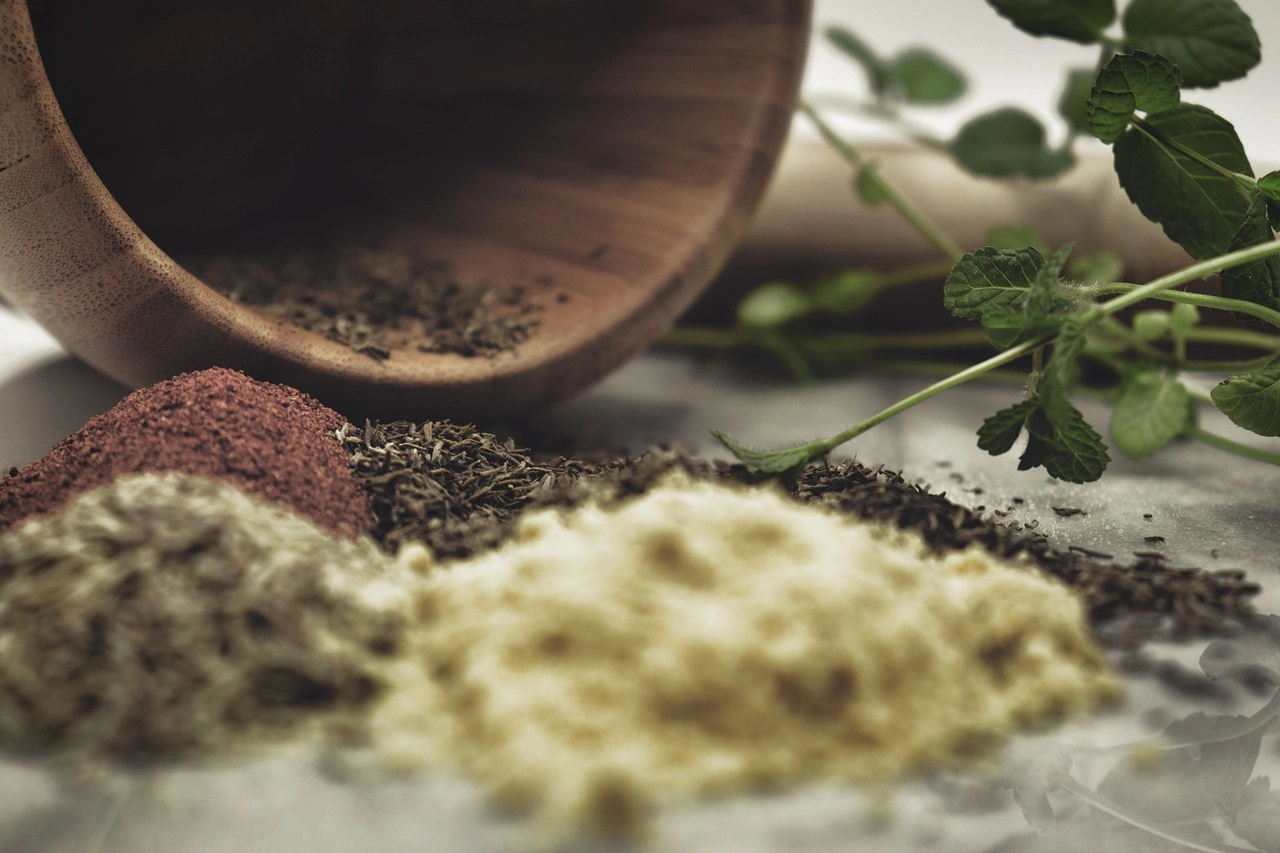
Aromatic Herbs and Medicinal Practices
Beyond their culinary uses, aromatic herbs hold significant medicinal value in Bedouin culture. The Bedouins have a profound understanding of the healing properties of various plants, often using them as natural remedies for common ailments.
1. Herbal Remedies: Bedouins have long relied on aromatic herbs for their therapeutic properties. Some common herbal remedies include:
- Thyme Tea: Known for its antiseptic qualities, thyme tea is often consumed to alleviate coughs and respiratory issues. It is also used as a digestive aid and is believed to help with stomach discomfort. In traditional practices, thyme is steeped in hot water to create a soothing infusion that can ease symptoms of colds and flu.
- Sage Infusion: Sage is used to prepare infusions that are thought to relieve digestive problems and soothe sore throats. The aromatic properties of sage also contribute to its calming effects. The leaves can be steeped in boiling water, creating a fragrant tea that promotes relaxation and digestive health.
- Mint for Digestion: Mint tea is widely consumed after meals, as it is believed to aid digestion and provide a refreshing end to the dining experience. The cooling properties of mint can help alleviate bloating and discomfort, making it a popular choice among Bedouins.
The Role of Aromatic Herbs in Bedouin Hospitality
Hospitality is a cornerstone of Bedouin culture, and aromatic herbs are central to the rituals of welcoming guests. Offering food and drink infused with these herbs symbolizes generosity and respect for visitors.
1. Traditional Beverages: Bedouin hospitality often includes serving tea infused with aromatic herbs. Mint tea, in particular, is a favorite and is frequently served to guests as a gesture of welcome. The preparation of this tea is an art form in itself, with hosts often taking pride in their technique, which involves steeping fresh mint leaves in boiling water and sweetening it to taste.
The act of preparing and serving tea is more than just a beverage choice; it is a ritual that embodies hospitality. Guests are typically invited to sit comfortably while the tea is prepared, creating an atmosphere of relaxation and camaraderie. This practice fosters connections and conversations among guests and hosts, deepening social bonds.
2. Fragrant Environments: The use of aromatic herbs extends beyond food and beverages; they are also used to create a welcoming atmosphere. Bedouins often use dried herbs and flowers to scent their tents, enhancing the sensory experience for guests. This fragrant environment contributes to a feeling of warmth and hospitality, making visitors feel at home.
Herbs like lavender and rose petals may be scattered or hung to dry in the tent, filling the air with their delightful fragrances. The sensory experience created by these aromas engages guests and immerses them in the cultural richness of Bedouin life.
3. Cultural Symbolism: Aromatic herbs are more than just ingredients; they symbolize the Bedouin’s connection to their land and culture. The use of these herbs in hospitality reflects the Bedouin's respect for nature and their commitment to preserving traditional practices. By sharing their culinary heritage with guests, Bedouins pass on their cultural values and foster a sense of community.
In many ways, aromatic herbs embody the essence of Bedouin life—a life characterized by resilience, resourcefulness, and a profound respect for the natural world. Through the flavors and fragrances of these herbs, the Bedouins communicate their identity and heritage, offering visitors a glimpse into their rich cultural tapestry.
Aromatic Herbs in Rituals and Celebrations
In addition to their culinary and medicinal uses, aromatic herbs play a significant role in Bedouin rituals and celebrations. Special occasions often feature the use of these herbs in various forms, from culinary delights to fragrant offerings during ceremonies.
1. Weddings and Celebrations: During weddings, aromatic herbs are often included in the menu, with dishes specially prepared to honor the couple and their guests. The inclusion of herbs is a symbol of good fortune and prosperity. Certain herbs are chosen for their specific meanings; for example, rosemary may be used for remembrance and fidelity, while mint represents hospitality and warmth.
2. Seasonal Festivals: Seasonal festivals, such as those celebrating the harvest, also highlight the significance of aromatic herbs. In these celebrations, traditional dishes featuring seasonal herbs are prepared, and the community gathers to share food, stories, and laughter. These gatherings strengthen community bonds and reinforce cultural traditions, allowing younger generations to learn about their heritage.
3. Spiritual Practices: Some aromatic herbs hold spiritual significance in Bedouin culture. They may be used in rituals intended to promote healing, protection, or blessings. For instance, burning sage or incense made from local herbs can be part of purification rituals, creating a sacred space for prayer or reflection.
The holistic approach to using aromatic herbs in Bedouin culture encompasses physical, emotional, and spiritual well-being. This deep understanding of the multifaceted benefits of these herbs reflects the Bedouins' respect for nature and their commitment to living harmoniously within it.